Find out how technologies will change our cars in the nearest future.
90% of car accidents are caused by human mistakes. Maybe it is time to rely on high technologies, and move over to "
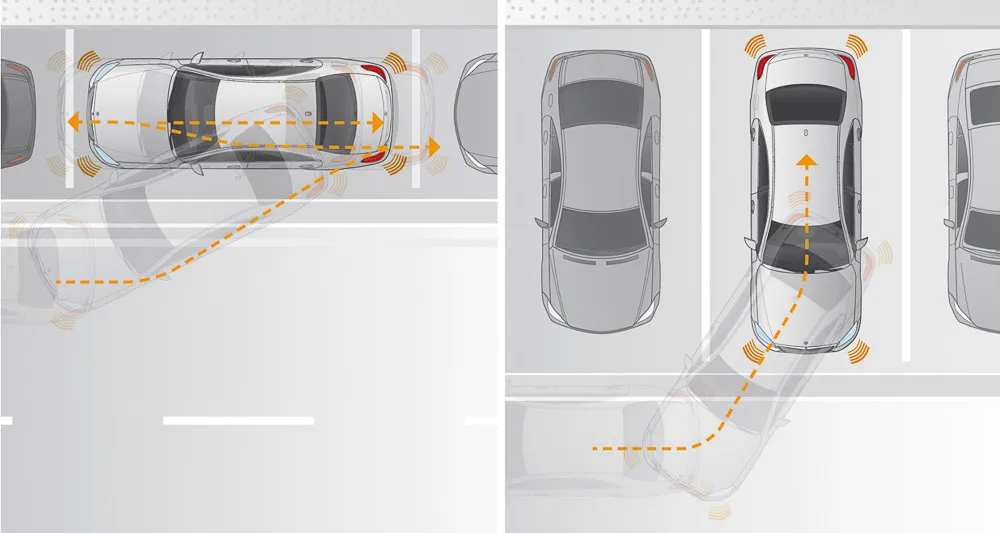
Hydraulic power steering gives way to electric. Changing gears is now controlled by automatic transmissions. Brake control is easier: cars are able to successfully self-decelerate. In general, the actuators are accurate and reliable.
Don’t Hurry to Celebrate the Victory of Artificial Intelligent
Perhaps this sounds all good to be true. Let's be a little critical now.
- Take, for example, "reading" signs. This skill was first mastered by the updated Mercedes-Benz S-Class of the 2009 year model: the engineers built a camera in the salon mirror, which recognizes signs along the road. But such detail must strictly comply with certain standards set in the system.
Maps providers compile and upload images. Now, if what is seen on the road differs from what the reference, the sensors will not understand it.
How it is advertised:
And how it works:
Another problem with driverless vehicles is navigation. Many models are made to control speed, monitor distance and steer. But is this reliable?
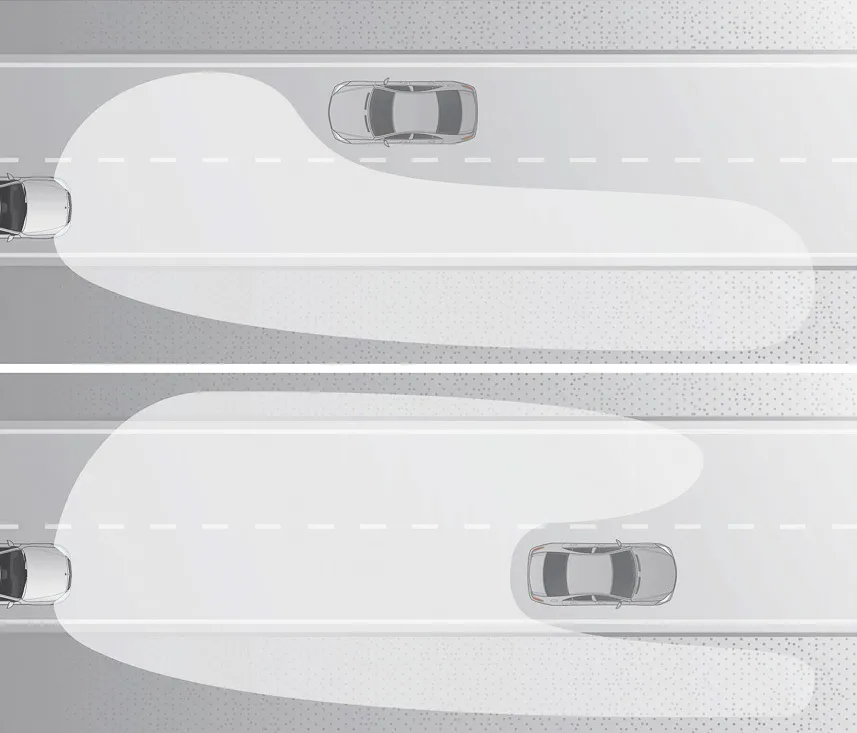
Volvo engineers believe such vehicles need maps. Moreover, they should be detailed, with bumpers, curbs, signs, and therefore insanely expensive.
To teach the car to turn and switch lanes, the engineers will have to fit it with expensive tracking technologies: as a minimum, with four radars (fore and aft), front and circular cameras, ultrasonic sensors, and a night vision camera.
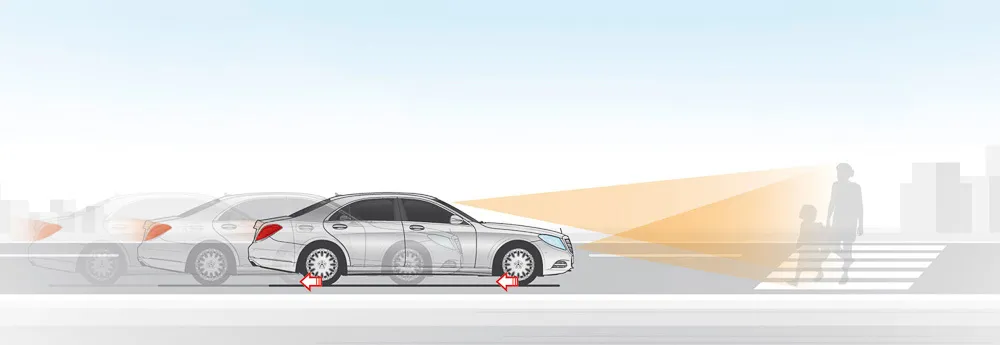
And what about ubiquitous pedestrians? Yes, the camera and the thermal imager can “see” them, but the car can only slow down at a speed of 30 mph. So, Mercedes-Benz experts consider that the current level of development of such an "assistant" will prevent, to put it mildly, a modest 6% of car-pedestrian accidents.
From a Legal Point of View
The Future of Driverless Cars
Let's be optimists. Of course, electronic assistants are not a perfect solution to replace humans as of yet. But the vehicles become smarter at a fast pace. Forecasts are as follows:
- Experts at Bosch believe that cars, without a driver, will not reach the roads before 2020.
- A similar forecast from Continental predicts 2025.
- From Mercedes-Benz - 2030.
- The European Commission also believes that it is 2030 will be the year when we will see a mass emergence of "
robomobiles ".
In short, it is not a long wait.
China, the United States, Singapore, Dubai, and Japan Work Towards Driverless Cars
The first models have already been presented at exhibitions in Japan and the United States by such companies as DENA, Google, Tesla, Ford and a number of other car industry leaders. BMW and Mercedes are already testing prototypes.
This is how urbanists see the future:
- Signs, traffic
lights and speed bumps will disappear first - their functions will be assumed by intelligent traffic control abilities. - Then the cities will get rid of parking: cars will be kept on large sites outside the city, driving up to their owners whenever they need it.
- The work of public transport and the delivery of goods will stop depending on human control. And, of course, there will be no accidents.
- And driving will turn... into a hobby, something old-fashioned, just like horseback riding has become today.
So, are you ready to throw away your driving license?

Nick Selin
Nick is a Consulting Director at Magora. He focuses on driving growth and creating valuable partnerships. With a sharp eye for market trends and a natural ability to connect with people, Andrew leads initiatives that keep Magora at the cutting edge of innovation and success in the tech industry.
LinkedIn