FinTech,
FCA-friendly.
Open Banking, FCA-aware integrations, KYC/AML pipelines, custodial and non-custodial wallets, lending platforms and white-label trading. Built to survive a regulator's audit.
FinTech software
we ship.
Open Banking, FCA-aware integrations, KYC/AML pipelines, custodial and non-custodial wallets, lending platforms, white-label trading. Built to survive a regulator's audit.
Open Banking apps
TrueLayer, Plaid, GoCardless integrations — account aggregation, payments, scoring.
KYC & AML
Onfido, Sumsub, Jumio — identity flows that satisfy compliance without losing customers at signup.
Payments & cards
Stripe, Marqeta, Adyen — bespoke checkout, virtual cards, BNPL, PCI-DSS-scoped architectures.
Lending platforms
Decisioning engines, document workflows, servicing portals — for prime, near-prime and SME credit.
Crypto wallets
Custodial & non-custodial — Bitcoin, Ethereum, L2 — institutional-grade key management.
Trading & investments
White-label brokerage, robo-advisors, portfolio platforms — FCA-friendly, latency-aware.
How we build successful
FinTech platforms.
From the start of the journey we ensure transparency. Plan, roadmap, weekly demos. You're in the room at every stage.
Product development consultation
Transparency from day one. We discuss the plan of action and build a precise app deployment roadmap. At each stage of development, we encourage you to participate in discussions.
User-oriented design
A talented team of designers creates an accurate user-journey map — predicting intuitive nature and functionality. User-friendly interfaces built on extensive research.
Agile development
A decade of experience in Web, iOS and Android development. Customised bespoke solutions, delivered in a collaborative environment — your boldest ideas, realised.
A regulator-ready FinTech app,
in six steps.
The same six-stage process we run on every engagement, adapted to fintech constraints: FCA expectations, PSD2 and Open Banking, KYC and AML, and an audit trail that has to hold up.
User research
1 – 2 weeksStrategic processes define user roles — driver, dispatcher, warehouse worker, ops manager — and run up to 10 impactful interviews. Insights become a guaranteed roadmap.
Product scope
1 – 2 weeksWe determine feature priority, set timelines, design interactions and define the logistics behind the app. Basic prototype first — adding functionality later.
Design
2 – 3 weeksSoftware architecture schemes, UI mockups, graphic imagery — reflecting your business identity. Interactive prototype for testing and presentation.
Development
10 – 20 weeksAgile development transforms the process into a customer-driven journey. Iterative approach, collaborative mindset, change embraced seamlessly.
Testing
2 – 3 weeksFrom feature-rich development to rigorous staging. Each step a precision move toward a seamless user experience. QA as continuous guardians.
Deployment
1 weekPlanning, version control, testing, cutting-edge strategies like canary releases. Swift, trouble-free installations with continuous monitoring.
Technologies
we work on.
The actual stack on FinTech engagements — regulated, observable, and built to survive an audit.
- TypeScript
- Python
- Java · Kotlin
- Solidity (web3)
- Swift · SwiftUI
- Kotlin · Compose
- React Native
- Flutter
- WebSockets
- Kafka · NATS
- SSE
- FIX protocol
- Node.js · NestJS
- Python · FastAPI
- Java
- .NET
- PostgreSQL · TimescaleDB
- ClickHouse
- Redis · Kafka
- S3 · Parquet
- Fraud · risk models
- OpenAI · Anthropic
- PyTorch · scikit-learn
- pgvector · RAG
- FCA · PSD2
- Open Banking · SCA
- PCI-DSS · 3-D Secure
- SOC 2 · ISO 27001
- Stripe · Adyen
- Plaid · TrueLayer · Tink
- Modulr · Currencycloud
- KYC vendors (Onfido · Veriff)
What clients
say.
Verified reviews from our Clutch profile — 4.9 out of 5 across 71 client reviews.
“Broader than just the code itself, the team strived to understand the entire project.”
“They're accessible, and it doesn't feel like I'm working with a faceless team.”
“Their flexibility and ability to move through processes quickly were impressive.”



FinTech platforms
we've shipped.
Four from the wider portfolio: fintech products running today in personal finance, payments and Open Banking.
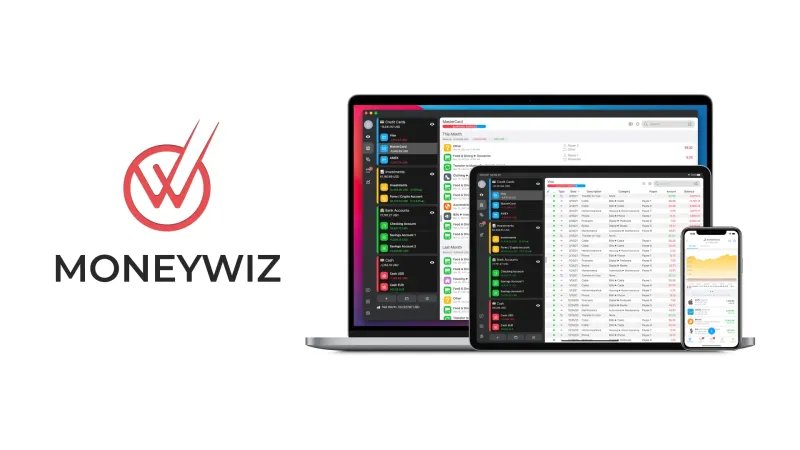 Personal finance · Mobile
MoneyWiz
Personal finance management app — multi-currency, budgets, reporting.
See case study →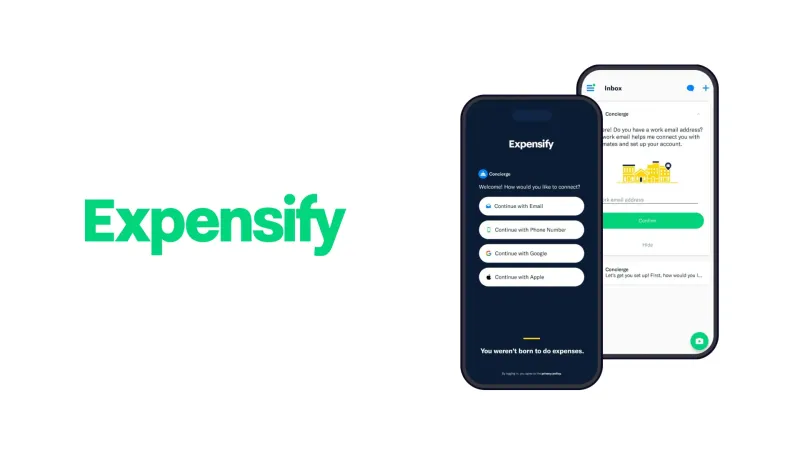 Payments · Mobile
Expensify
Mobile expense tracking + virtual card — corporate spend on iOS and Android.
See case study →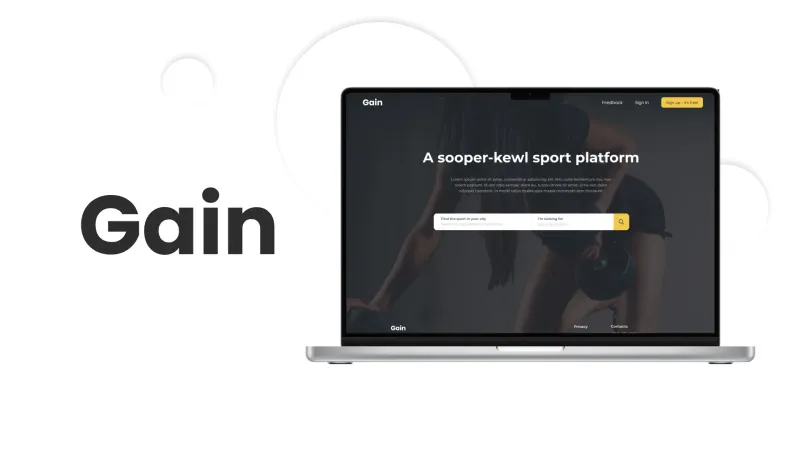 FinTech · Web
GAIN
Bespoke FinTech solution for the GAIN team — automated advisory and decisioning.
See case study →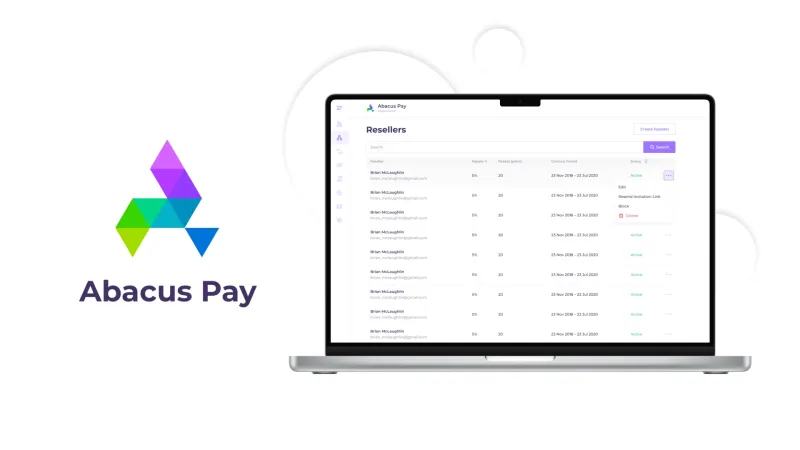 Open Banking · API
Abacus Pay
Bespoke payment platform — Open Banking integrations and ledger reconciliation.
See case study →More FinTech
case studies.
Grant Thornton
A self-service platform that automates EMI share-scheme documentation for the firm and its clients.
Read the case →Hedge fund comparison
A web app for searching and analysing hedge funds with live graphs, portfolios and benchmark tracking.
Read the case →Trade blotter
A tablet app for a brokerage to run and analyse stock-exchange operations, with widgets and live graphs.
Read the case →Rumine Asset
An intranet web application for gathering and editing analytics for a Swiss financial company.
Read the case →The honest
questions.
Pick a slot below
and let's talk.
No commitment, no charge. We'll review your project, scope the next step, and tell you the realistic price + timeline. Free working prototype + senior PO analysis before any paid engagement.
FinTech idea
on the brief?
30-minute call with a senior architect who has shipped payment rails, Open Banking integrations and regulated fintech products before. We'll review your constraints and tell you what we'd actually build if it were us.