EdTech,
classroom-grade.
LMS platforms, tutoring marketplaces, exam prep, school management — accessible, COPPA/GDPR-safe, designed for low-bandwidth classrooms and Ofsted scrutiny alike.
Education app development
in London, at a glance.
Magora is a London software house that builds education apps for schools, universities, training providers and EdTech startups: learning management systems, learner mobile apps, exam and assessment platforms, tutoring marketplaces and school management tools, designed for accessibility and UK GDPR. A first release typically takes 6–8 weeks, and you own the code.
£11,000–£34,000 for a first release
That was the range in our 2026 project estimates, with a median of about £25,000. Product Discovery starts from £3,000. See what 12 real projects cost or estimate yours in the calculator.
First release in 6–8 weeks
A free working prototype in 5–10 working days, Discovery in two weeks, then a first release built by two or three developers. Larger platforms follow in phases.
From £49/hour per developer
£65–£70/hour for a full team with QA and product ownership. You own the code, designs and IP. More on app development in London and bespoke software development.
EdTech software
we ship.
LMS platforms, tutoring marketplaces, exam prep, school management — accessible, COPPA/GDPR-safe, designed for low-bandwidth classrooms and Ofsted scrutiny alike.
Learning platforms
Course delivery, SCORM / xAPI, assessment, gradebook — for K-12, higher-ed and corporate.
Mobile learning
iOS / Android apps with offline-mode, low-bandwidth video, microlearning patterns.
Exam & assessment
Adaptive testing, secure-browser proctoring, item-bank management — Pearson-grade engineering.
Tutoring marketplaces
Two-sided platforms with vetting, scheduling, payments — and the messaging UX that converts trial to paid.
School management
Attendance, SEND tracking, parental engagement, MIS integrations — Ofsted-ready audit trails.
Accessibility & safeguarding
WCAG 2.2 AA, COPPA, KCSIE — the boring guardrails education software actually needs.
How we build successful
EdTech platforms.
From the start of the journey we ensure transparency. Plan, roadmap, weekly demos. You're in the room at every stage.
Product development consultation
Transparency from day one. We discuss the plan of action and build a precise app deployment roadmap. At each stage of development, we encourage you to participate in discussions.
User-oriented design
A talented team of designers creates an accurate user-journey map — predicting intuitive nature and functionality. User-friendly interfaces built on extensive research.
Agile development
A decade of experience in Web, iOS and Android development. Customised bespoke solutions, delivered in a collaborative environment — your boldest ideas, realised.
An accessible EdTech app,
in six steps.
The same six-stage process we run on every engagement, adapted to education constraints: safeguarding and age-appropriate design, accessibility, term-time load peaks, and the systems institutions already run. A first release (MVP) typically ships in 6–8 weeks; the ranges below are for a full platform.
User research
1 – 2 weeksStrategic processes define user roles — driver, dispatcher, warehouse worker, ops manager — and run up to 10 impactful interviews. Insights become a guaranteed roadmap.
Product scope
1 – 2 weeksWe determine feature priority, set timelines, design interactions and define the logistics behind the app. Basic prototype first — adding functionality later.
Design
2 – 3 weeksSoftware architecture schemes, UI mockups, graphic imagery — reflecting your business identity. Interactive prototype for testing and presentation.
Development
10 – 20 weeksAgile development transforms the process into a customer-driven journey. Iterative approach, collaborative mindset, change embraced seamlessly.
Testing
2 – 3 weeksFrom feature-rich development to rigorous staging. Each step a precision move toward a seamless user experience. QA as continuous guardians.
Deployment
1 weekPlanning, version control, testing, cutting-edge strategies like canary releases. Swift, trouble-free installations with continuous monitoring.
Technologies
we work on.
The actual stack on EdTech engagements — live class, adaptive paths, certifications and analytics.
- TypeScript
- Python
- Java · Kotlin
- xAPI · SCORM
- Swift · SwiftUI
- Kotlin · Compose
- React Native
- Flutter
- WebRTC (live class)
- WebSockets
- Whiteboard sync
- SSE
- Node.js · NestJS
- Python · Django · FastAPI
- .NET
- GraphQL · REST
- PostgreSQL
- Redis
- S3 video store
- ClickHouse (learning analytics)
- OpenAI · Anthropic
- Adaptive learning
- pgvector · LangChain
- Auto-grading · feedback
- LTI 1.3
- SCORM · xAPI · cmi5
- IMS Caliper
- Common Cartridge
- Stripe · Adyen
- Zoom · Vonage
- Google Classroom
- Moodle · Canvas
What clients
say.
Verified reviews from our Clutch profile — 4.9 out of 5 across 71 client reviews.
“They came through as more of a tech partner rather than just developers for hire.”
“They didn't simply take our requirements and run with them; they truly made an effort to understand everything.”
“We were very happy with the overall experience.”


EdTech platforms
we've shipped.
Four from the wider portfolio: learning platforms running today in schools, universities and private tutoring.
 EdTech · Web
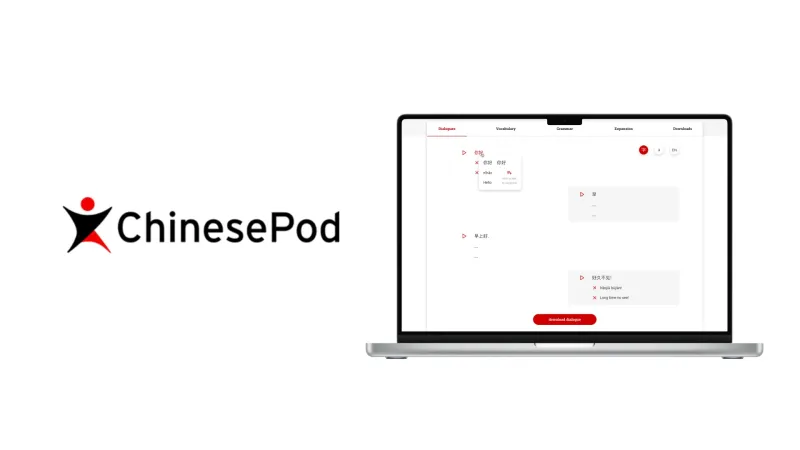
ChinesePod
Web platform for language learning — content, scheduling, progress tracking.
See case study →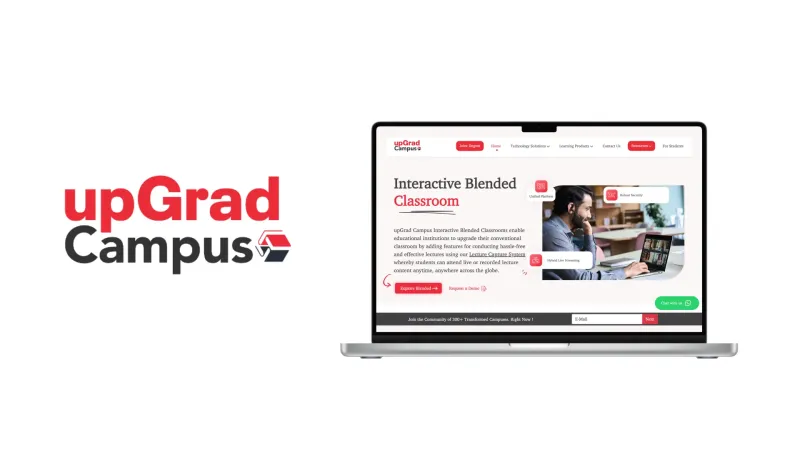 EdTech · LMS
upGrad Campus
Higher-ed course delivery platform — cohorts, live sessions, assessments.
See case study →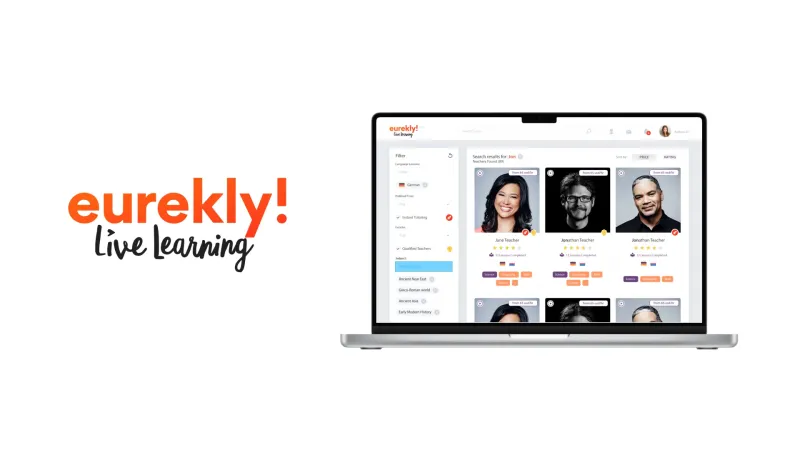 EdTech · Tutoring
Eurekly
Two-sided tutoring marketplace — learners, tutors, adaptive scheduling.
See case study → EdTech · Higher Ed
University of Essex
Higher-education platform integrations — admissions, student experience.
See case study →Built for schools
and learners.
What UK education products have to get right — and what we scope in Discovery.
Children's data
UK GDPR and the ICO's Children's Code apply to online services likely to be used by children: high-privacy defaults, data minimisation, no nudge techniques. We run the DPIA with you in Discovery.
Accessibility
We design to WCAG 2.2 AA. Universities and other public sector bodies must meet the public sector accessibility regulations and publish an accessibility statement; schools are covered for their essential administrative content.
Safeguarding by design
Role-based access, audit logs, moderation and reporting tools, and no direct adult–child contact unless the school has approved it — designed to support schools' duties under Keeping Children Safe in Education.
School systems
Sign-in with Google Workspace for Education or Microsoft 365, and MIS data through the school's approved integration route, scoped per school or trust during Discovery.
More EdTech
case studies.
Symbolab
An iOS and Android app that solves scientific equations, formulas and expressions for students and engineers.
Read the case →Pocket CPE
An iOS app for continuing professional education: video lessons, tests and PDF certificates.
Read the case →Galaxeeds
A multi-user e-learning and recruiting portal for students, teachers and employers.
Read the case →Training courses
An interactive training app with multi-role access for learners, tutors and administrators.
Read the case →The honest
questions.

Alexander leads product at Magora. He reviews the scope, product approach and user experience advice on this page.
Pick a slot below
and let's talk.
No commitment, no charge. We'll review your project, scope the next step, and tell you the realistic price + timeline. Free working prototype + senior PO analysis before any paid engagement.
EdTech idea
on the syllabus?
30-minute call with a senior architect who has shipped learning platforms, campus systems and tutoring marketplaces before. We'll review your constraints and tell you what we'd actually build if it were us.