Logistics,
peak-ready.
From dispatch dashboards to driver apps, route optimisation, last-mile tracking and warehouse mobile barcode flows — built to handle a Black Friday peak without melting.
Logistics & distribution app development
in London, at a glance.
Magora is a London software house that builds logistics and distribution apps for UK carriers, wholesalers, 3PLs and delivery start-ups: driver apps with proof of delivery, dispatch dashboards, route optimisation, real-time tracking and warehouse barcode scanning. A first release typically takes 6–8 weeks, and you own the code.
£11,000–£34,000 for a first release
That was the range in our 2026 project estimates, with a median of about £25,000. Product Discovery starts from £3,000. See what 12 real projects cost or estimate yours in the calculator.
First release in 6–8 weeks
A free working prototype in 5–10 working days, Discovery in two weeks, then a first release built by two or three developers. Larger platforms follow in phases.
From £49/hour per developer
£65–£70/hour for a full team with QA and product ownership. You own the code, designs and IP. More on app development in London and our London software house.
Logistics software
we ship.
From dispatch dashboards to driver apps, route optimisation, last-mile tracking and warehouse mobile barcode flows — built to handle a Black Friday peak without melting.
Dispatch dashboards
Order routing, ETA prediction, driver assignment — real-time over WebSockets, audit logs included.
Driver apps
iOS / Android apps with offline-first routing, POD capture, hands-free voice — built for muddy gloves.
Route optimisation
OR-Tools, OSRM and bespoke heuristics — multi-stop, time-window, vehicle-constraint aware.
Last-mile tracking
Customer-facing trackers, SMS / WhatsApp updates, delivery proof — the experience customers tweet about.
Warehouse & barcode
Mobile barcode scanning, pick & pack flows, ASN management — ruggedised, Zebra / Honeywell native.
IoT & telematics
Fleet telematics, cold-chain sensors, marine telemetry — MQTT, NB-IoT, AWS IoT Core.
How we build successful
logistics applications.
From the start of the journey we ensure transparency. Plan, roadmap, weekly demos. You're in the room at every stage.
Product development consultation
Transparency from day one. We discuss the plan of action and build a precise app deployment roadmap. At each stage of development, we encourage you to participate in discussions.
User-oriented design
A talented team of designers creates an accurate user-journey map — predicting intuitive nature and functionality. User-friendly interfaces built on extensive research.
Agile development
A decade of experience in Web, iOS and Android development. Customised bespoke solutions, delivered in a collaborative environment — your boldest ideas, realised.
A breath-taking logistics app,
in six steps.
Same six-stage process we run on every engagement — adapted to logistics constraints (carrier integrations, regulatory mode, fleet telemetry). A first release (MVP) typically ships in 6–8 weeks; the ranges below are for a full platform.
User research
1 – 2 weeksStrategic processes define user roles — driver, dispatcher, warehouse worker, ops manager — and run up to 10 impactful interviews. Insights become a guaranteed roadmap.
Product scope
1 – 2 weeksWe determine feature priority, set timelines, design interactions and define the logistics behind the app. Basic prototype first — adding functionality later.
Design
2 – 3 weeksSoftware architecture schemes, UI mockups, graphic imagery — reflecting your business identity. Interactive prototype for testing and presentation.
Development
10 – 20 weeksAgile development transforms the process into a customer-driven journey. Iterative approach, collaborative mindset, change embraced seamlessly.
Testing
2 – 3 weeksFrom feature-rich development to rigorous staging. Each step a precision move toward a seamless user experience. QA as continuous guardians.
Deployment
1 weekPlanning, version control, testing, cutting-edge strategies like canary releases. Swift, trouble-free installations with continuous monitoring.
Technologies
we work on.
The actual stack on logistics engagements. We'll happily slot into yours if you already have one.
- Mapbox · Google Maps
- HERE · OpenStreetMap
- OSRM · Valhalla
- PostGIS
- WebSockets
- MQTT
- Kafka
- Server-sent events
- Kotlin · Compose
- Swift · SwiftUI
- React Native · Flutter
- Barcode · OCR
- Node.js · NestJS
- Python · FastAPI
- .NET · Java
- GraphQL · REST
- PostgreSQL · PostGIS
- TimescaleDB
- Redis · ClickHouse
- S3 · Parquet
- OR-Tools · OptaPlanner
- OpenAI · Anthropic
- PyTorch
- Demand forecasting
- AWS IoT · Azure IoT
- BLE · LoRaWAN
- Telematics SDKs
- Edge gateways
- FedEx · UPS · DHL
- SAP · NetSuite
- Salesforce
- Customs / EDI
What clients
say.
Verified reviews from our Clutch profile — 4.9 out of 5 across 71 client reviews.
“Broader than just the code itself, the team strived to understand the entire project.”
“They're accessible, and it doesn't feel like I'm working with a faceless team.”
“Their flexibility and ability to move through processes quickly were impressive.”



Logistics platforms
we've shipped.
Four from the wider portfolio — operational platforms running today across rail, marine, road and warehouse.
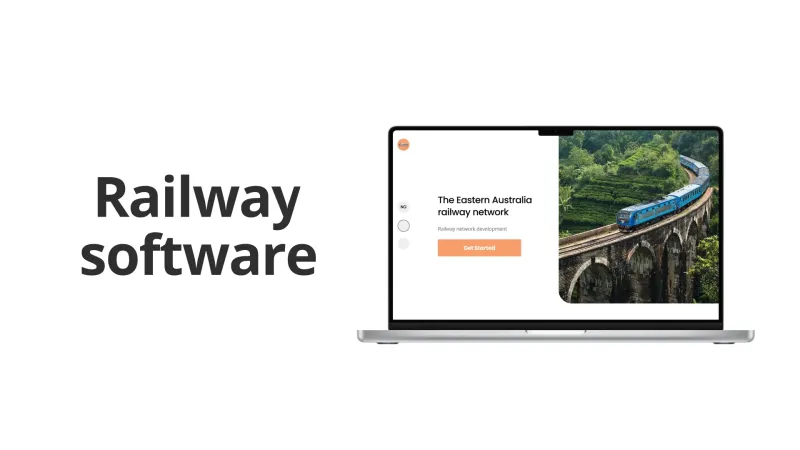 Rail · Platform
Railway software
Fault-detection automation for an Australian rail network — MTTR cut 40%.
See case study →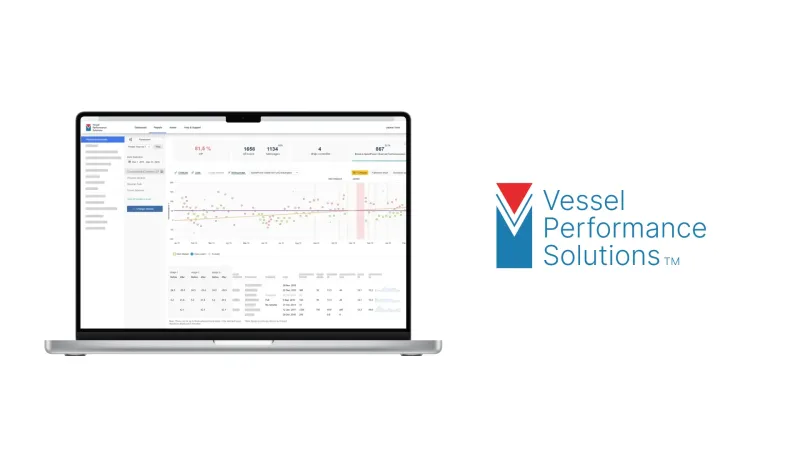 Marine · IoT
Vessel Performance Solutions
Telemetry, fuel and emissions dashboards for a fleet of commercial vessels.
See case study →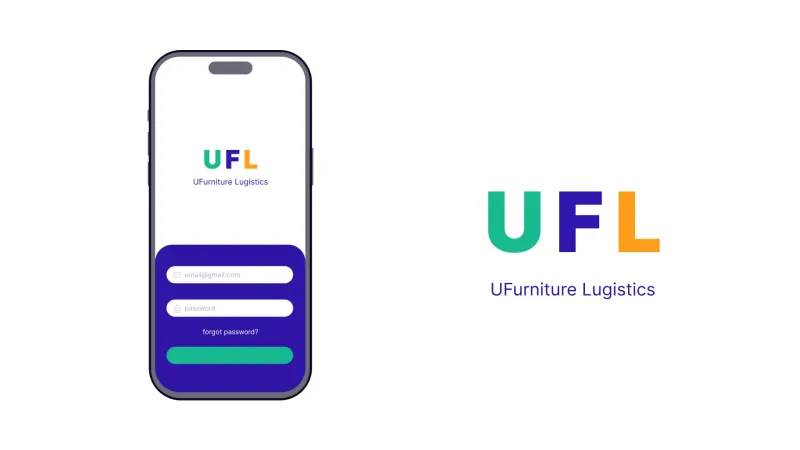 Last-mile · Mobile
UFurniture Logistics
Driver app + dispatch console for a UK-wide furniture delivery network.
See case study → FMCG · Mobile
Danone field rep
Field-rep loyalty companion across Danone's distribution network.
See case study →The honest
questions.
Pick a slot below
and let's talk.
No commitment, no charge. We'll review your project, scope the next step, and tell you the realistic price + timeline. Free working prototype + senior PO analysis before any paid engagement.
Idea on the
logistics radar?
30-minute call with a senior architect who's shipped fleet, warehouse and tracking platforms before. We'll review your constraints and tell you what we'd actually build if it were us.